So, Am I Ready?
Yes and no.
The academic side feels solid. I have been doing the reading, sitting through pre-departure sessions, and putting together presentations on everything from Peru’s dispute resolution framework to corporate sustainability leadership. But am I ready in the practical sense? Not quite. I still need hiking pants, proper shoes, and a headlamp for our nightwalk in the Amazon, which, by the way, is one of those things that sounds thrilling until you sit with the words “nightwalk” and “Amazon” long enough to really think about what that means.
Beyond the gear, there is an emotional kind of unreadiness I did not fully expect. The thought of being out of the country without my close family is more nerve-racking than I anticipated. There is always that quiet “what if” in the back of your mind. What if something goes wrong? What if I get sick? What if I need someone? But the closer it gets, the more I recognize how many resources I actually have, and how much trust I have built in this group and our professor. This is not her first time leading students abroad, and that matters more than I can explain. Knowing I am in good hands makes the uncertainty feel a lot more manageable.
What Stands Out Most
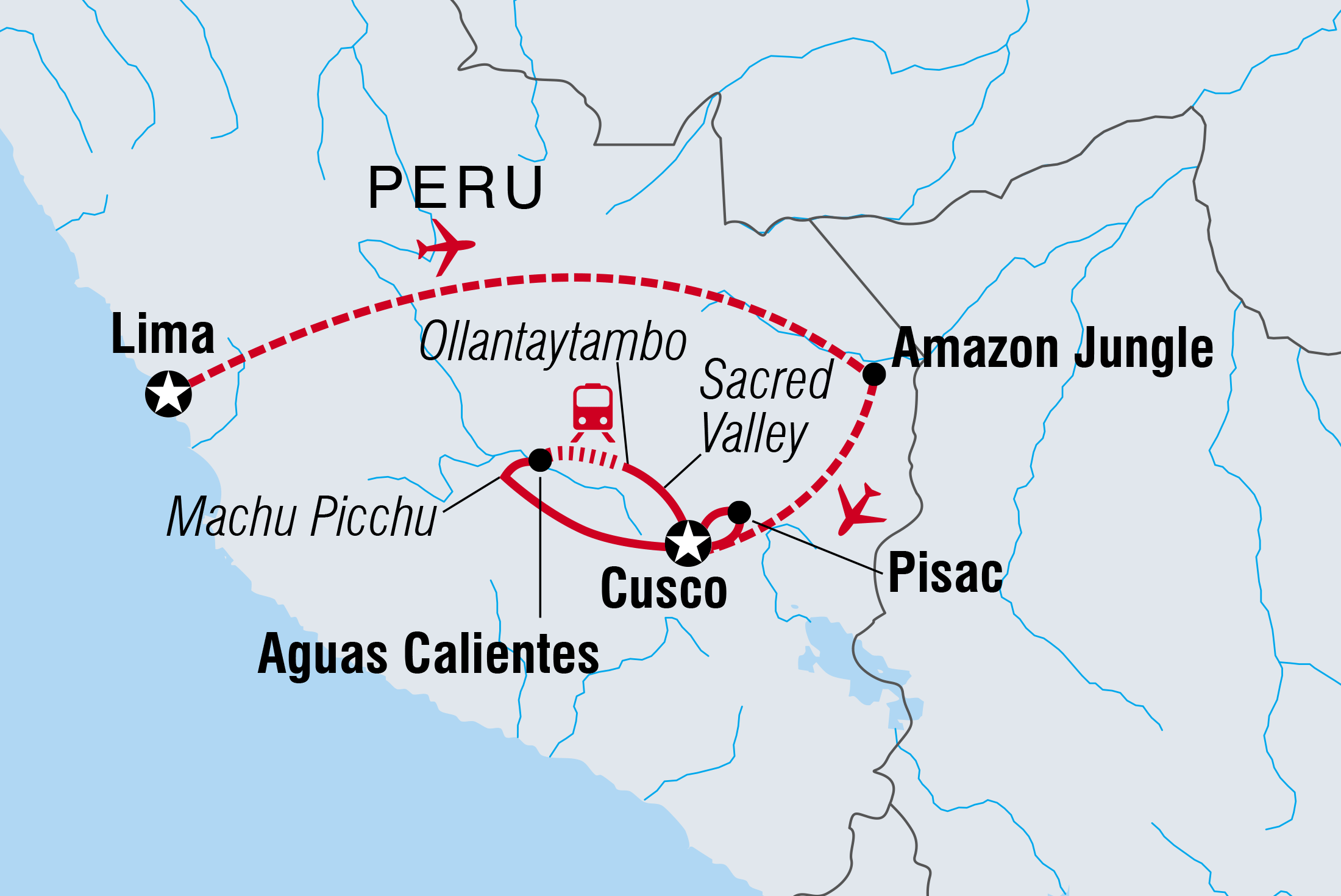
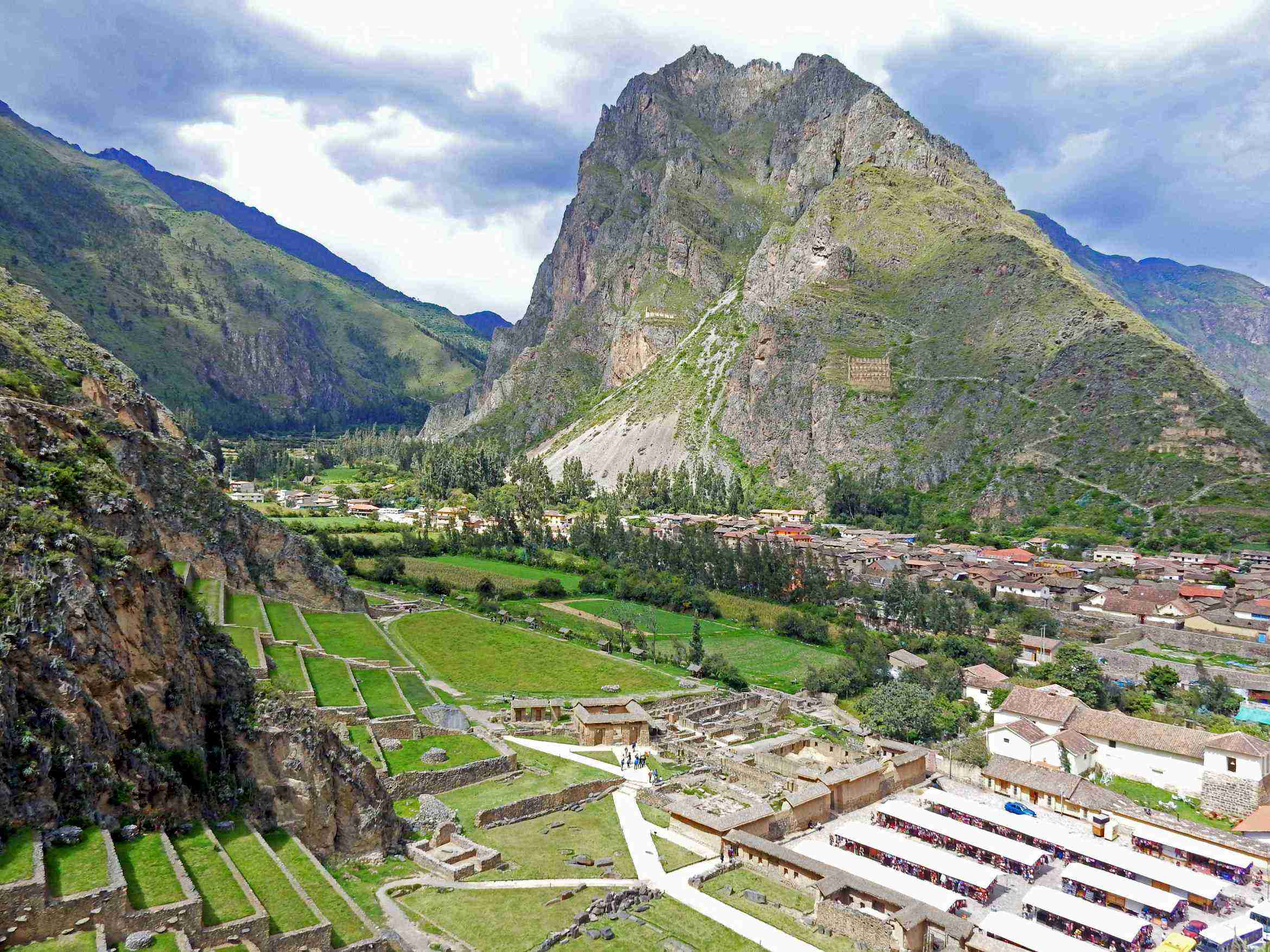
Looking at the schedule, what strikes me first is how intentional it is. This is not a tourism trip with some class sprinkled in. It is genuinely the other way around. We have corporate visits lined up with organizations like KPMG, Alicorp, Peru Sostenible, Pachamanca, and Paka, alongside site visits in Lima, the Amazon, and the Sacred Valley. We are talking about three completely different ecosystems (geographically, economically, and culturally) all within two weeks.
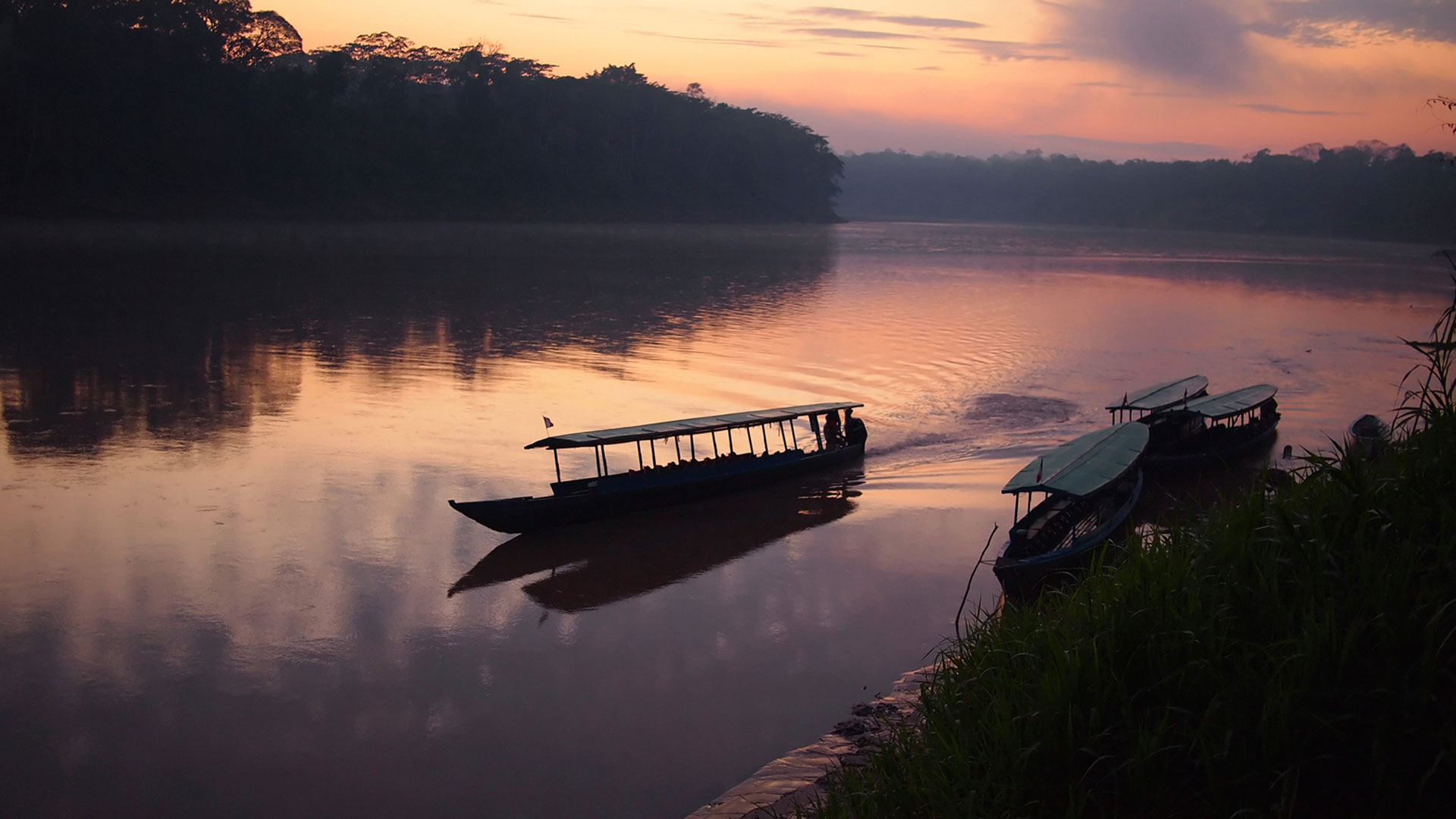
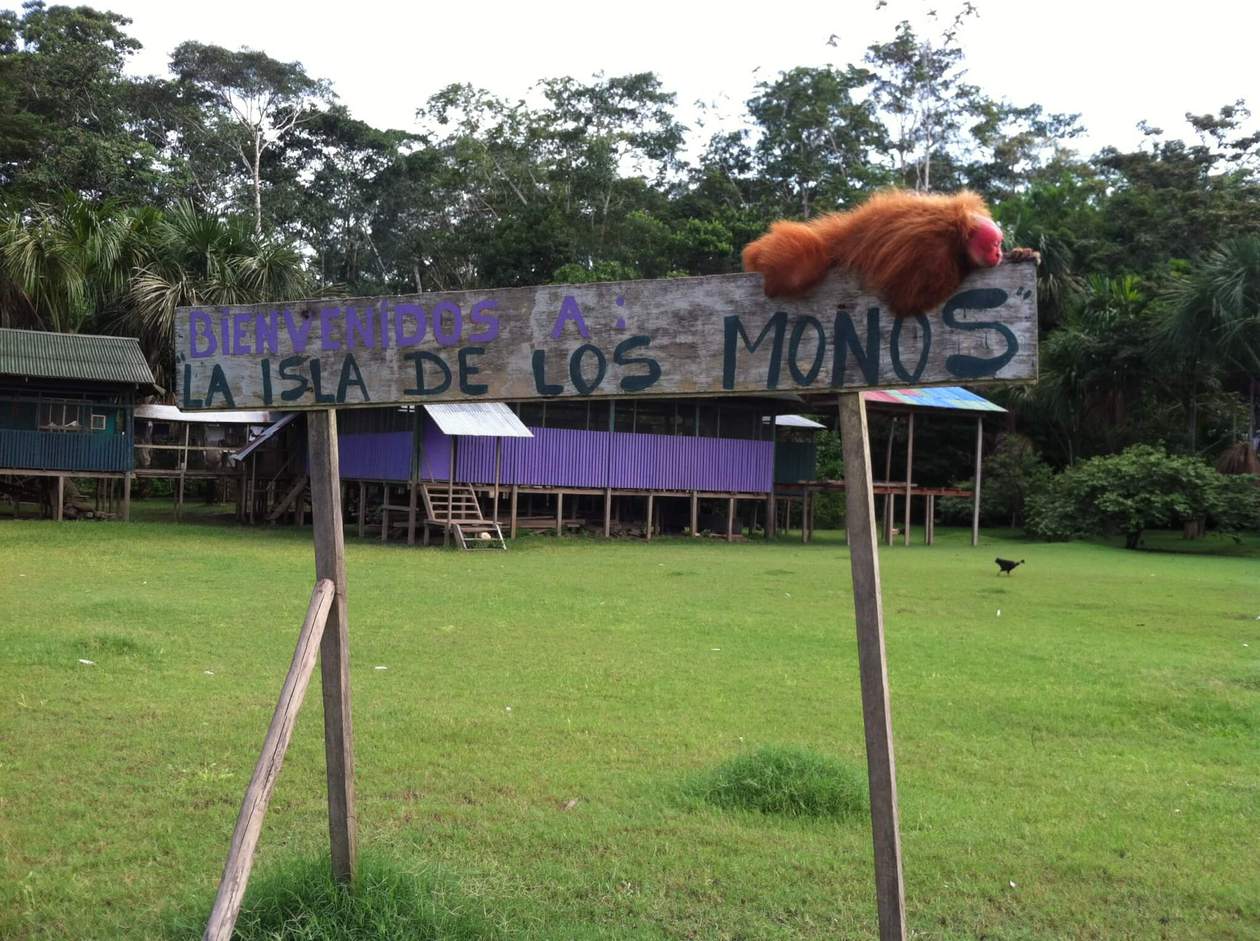
What I keep thinking about is how the itinerary mirrors the themes we have been studying. We are walking into conversations about sustainability, corporate responsibility, and indigenous rights in the exact places where those conversations are most urgent. The Amazon leg in Puerto Maldonado is not just a bucket-list experience. It is the living context for everything we have read about deforestation, extractive industries, and the tension between economic development and environmental protection. When I am on that canopy walk at 5:30 in the morning, I am not going to be thinking about a textbook. I am going to be standing inside the argument.
That shift, from reading about a place to standing in it, is what I think will change how I process all of this afterward.
My Favorite Pre-Departure Assignment
Without question, it is the blogs.
There is something about being asked to write down how you feel before you know how an experience is going to go that feels really valuable. Most of the time, we document things in hindsight, after we know the ending, after we have decided what it meant. But these pre-departure posts are capturing something rawer than that. The nervousness is real. The excitement is real. The fact that I do not know yet what Peru is going to feel like or what I am going to take away from it, that uncertainty is real, and writing it down means I will not be able to romanticize it later.
I think I will look back on this specific post someday and either laugh at how nervous I was or feel grateful that I wrote it down honestly. Either way, I know I will appreciate having it.
A Documentary That Reframed Everything
Before the trip, one of our pre-departure resources was the documentary Before the Flood, narrated and led by Leonardo DiCaprio. I want to talk about it for a second because it hit differently than I expected.
I went in thinking it would be another climate change overview, statistics, projections, the usual. What I did not expect was how visceral it would feel to watch real ecosystems disappearing in real time, on screen, narrated by someone who clearly cared about more than optics. DiCaprio travels to the places most threatened: the melting Arctic, the bleached coral reefs, the palm oil plantations spreading across Borneo, and the effect is not just informational. It is emotional in a way that sticks with you.
What made it land differently for me was watching it right before a trip to the Amazon. Suddenly those images were not abstract. I am about to stand in one of the most biodiverse ecosystems on the planet, and I have just spent two hours watching what happens when we do not protect places like it. That is a different kind of classroom than any I have sat in before, and the documentary prepared me for it in a way I did not expect.
How I Hope This Shapes Me
Honestly, I hope it makes me harder to impress by surface-level sustainability claims.
One thing I have noticed in my accounting and business coursework is how easy it is for companies to say the right words (ESG commitments, carbon neutrality pledges, DEI initiatives) without those words being tethered to anything real. After spending two weeks visiting organizations that are actually operating inside the sustainability conversation in Peru, I want to come back with a better sense of what real accountability looks like versus what good marketing looks like. That feels like something I can carry into my career in a concrete way.
I also just want to be present. I have a tendency to process experiences analytically, to jump to “what does this mean” before I have fully let myself feel “what is this.” Peru is going to push me on that, and I am ready.
The schedule is packed. The excitement is real. And soon, I will be on a plane.

Leave a Reply