The past two days have been a lot to process. Between KPA, DP World, and our meeting with Peru Sostenible, plus walking the Miraflores boardwalk and wandering through Barranco, I feel like I’ve gotten a much fuller picture of what sustainability actually looks like on the ground in a developing economy, not just in a textbook case study.
DP World and the Port of Callao
DP World at the Port of Callao was the visit that stuck with me most. They’ve put a billion dollars into modernizing that port, and it shows. About 80 percent of their vehicles are electric, including 36 of their 77 internal trucks, and they’ve got 20 electric chargers spread throughout the port. The charging setup is honestly clever: 45 minutes during a lunch break gives a vehicle about 10 hours of operation. In the yard zone they’re running a mix of 10 electric, 10 diesel, and 10 hybrid cranes, and they’re in the process of converting their currently manual cranes to remote operation. They said that shift alone should make yard crane operations about 25 percent more efficient and shave off roughly a minute per movement just by cutting unnecessary motion.
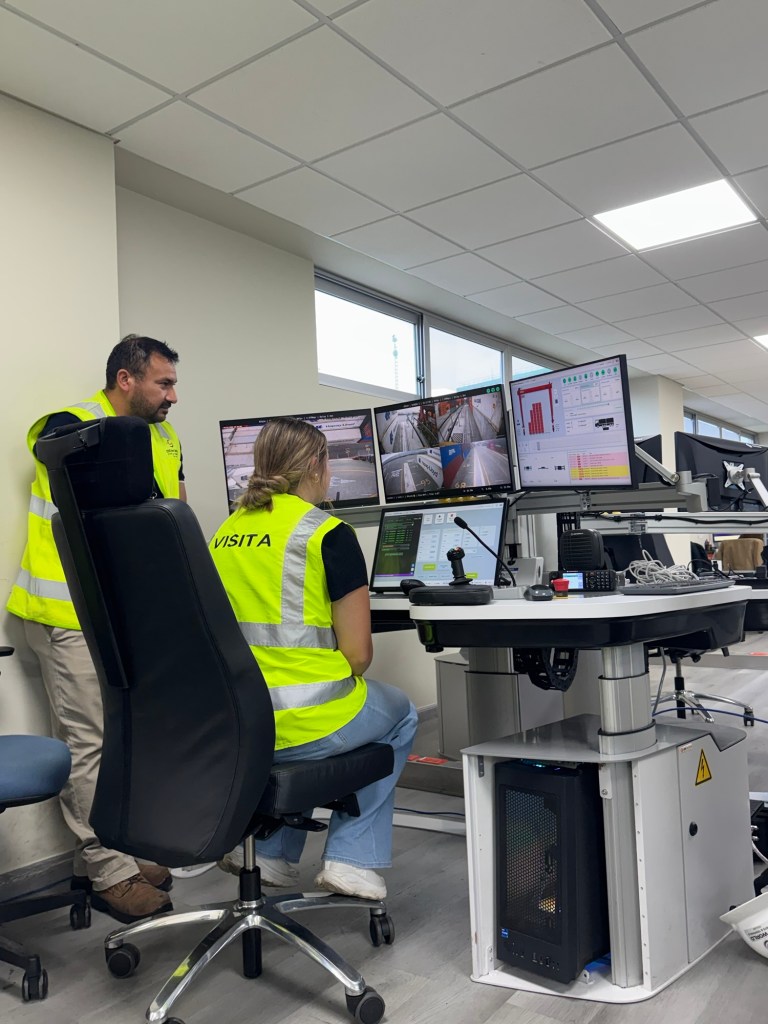
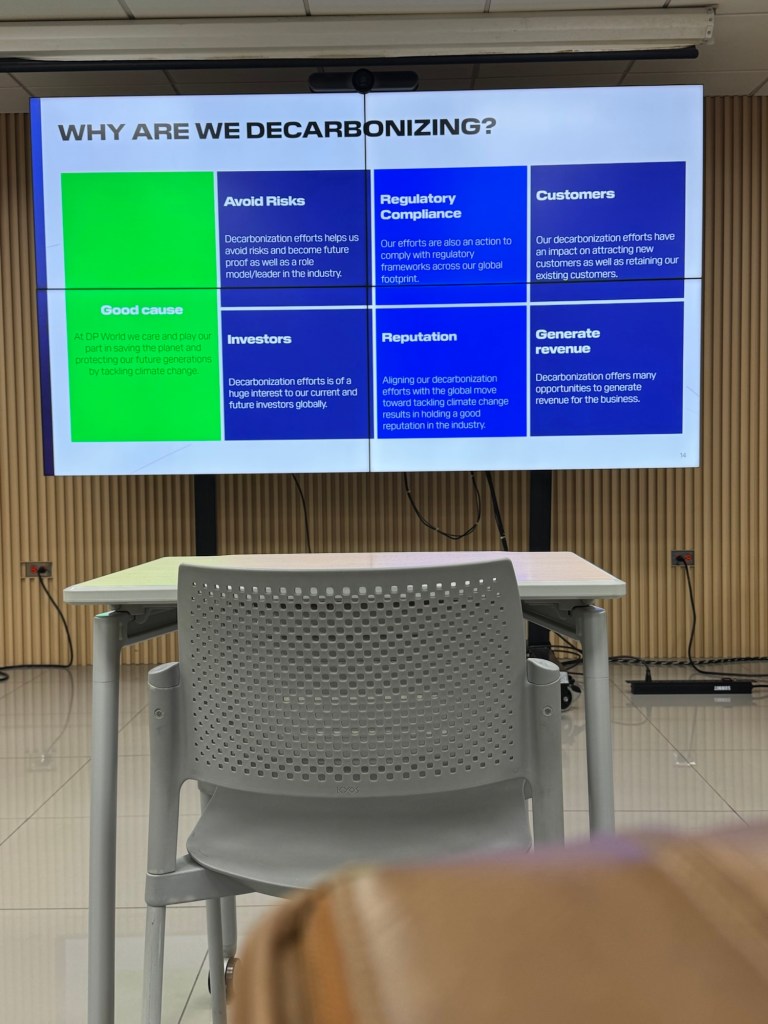
What stood out to me wasn’t just the tech, it was how they talked about why they’re doing it. Their decarbonization roadmap has an SBTi-verified target of cutting carbon 42 percent by 2030 off a 2022 baseline, building toward net zero by 2050. But instead of framing it as pure altruism, their presentation broke the reasoning into avoiding risk, regulatory compliance, attracting investors and customers, reputation, and revenue, with fighting climate change listed as just one piece of it. I actually respected that. It felt more honest than a lot of the corporate sustainability language we’ve picked apart in class, where companies dress up profit motives as pure environmental concern.
Comparing that to what I’d expect from a company headquartered in the US or Western Europe, I think the bones of the strategy would look similar. Most major corporations there are also chasing SBTi targets and net zero pledges and dealing with similar investor pressure. But the pace and the framing felt different here. DP World was upfront that automation is happening in phases through 2026 and 2028, not all at once, and that most cranes are still manually operated today. There was less polish and more visible work in progress, which honestly made it feel more real than a glossy sustainability report.
KPA and the Informal Economy
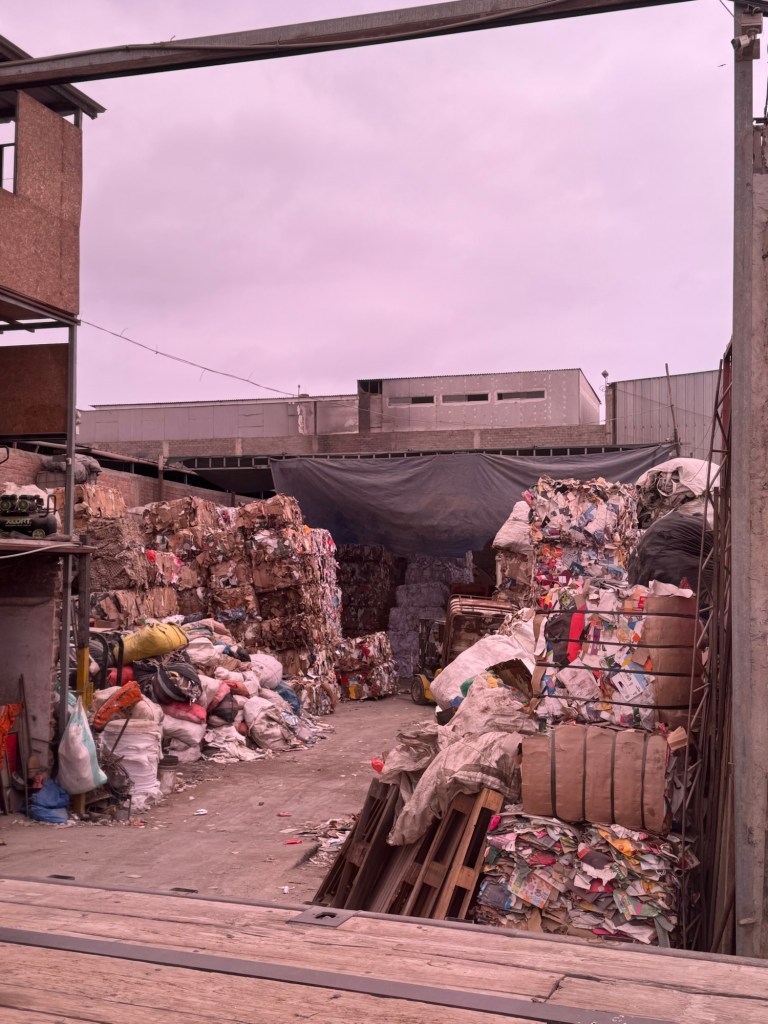
KPA gave me the other side of that contrast. Seeing how recycling functions in a context with a much larger informal economy made it clear that “sustainability” here can’t just mean environmental targets on a slide. It has to account for the people whose livelihoods are tied up in informal waste collection, and what formalizing or modernizing that system means for them economically and socially. That’s not really a conversation that comes up the same way in a US sustainability case study, where the assumption is usually a formal, regulated labor market to begin with.
What Sustainability Actually Means Here
Talking with Peru Sostenible reinforced that sustainability here gets defined across all three dimensions at once, environmental, economic, and social, in a way that feels less separable than how we usually frame it in class. You can’t really talk about emissions reductions without also talking about job stability, informal labor, and whether the economic benefits of “going green” trickle down to the people actually doing the work.
Tomorrow we head to Puerto Maldonado and the Amazon basin, which feels like a pretty big shift from a few days spent in ports and recycling facilities. I don’t know a ton yet about the specific legal frameworks that govern land use and resource extraction there, but I know Peru has domestic protections tied to indigenous land rights and that international agreements like the Convention on Biological Diversity and frameworks tied to FPIC under ILO Convention 169 are supposed to play a role in how extraction and development get approved. I’m curious to see how much of that holds up once we’re actually there, versus how it looked on paper back when I was researching ADR and indigenous relations before the trip.
Amazon Arrival and First Impressions
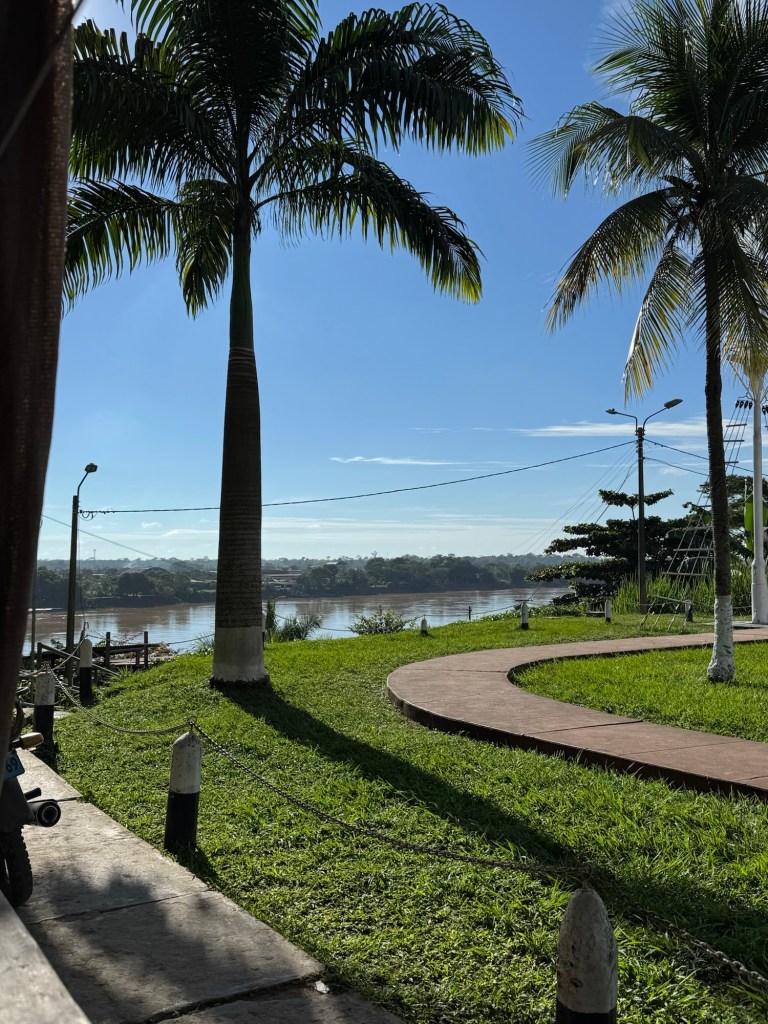
Upon arriving in Puerto Maldonado, I was very awestruck. The trees were lush, vibrant, and seemed to go on forever. I was fairly shocked about how clean the Amazon river was because I expected a lot more trash and plastic. Don’t get me wrong, it’s still filled with many plastic items and even steel barrels (and yes I know that because our boat went right over it…) but it still wasn’t as bad as I was expecting.
The lodge ended up being way nicer than I expected. No central AC, but honestly we’re in the Amazon studying sustainability, so that felt pretty on brand. The food has been great, the tour guides really know their stuff, and I’m already learning so much about the different species across the islands, the types of trees, and the natural medicine the Amazon has to offer. We even took a boat out to Monkey Island, where I got to feed a banana to one of the monkeys right from the trees.

Leave a Reply